Packaging
Plant-based bottles: what happens after the last sip?
A closer look at our bottle material, industrial composting and why the right disposal route matters.
By Win Win Water
A different starting point
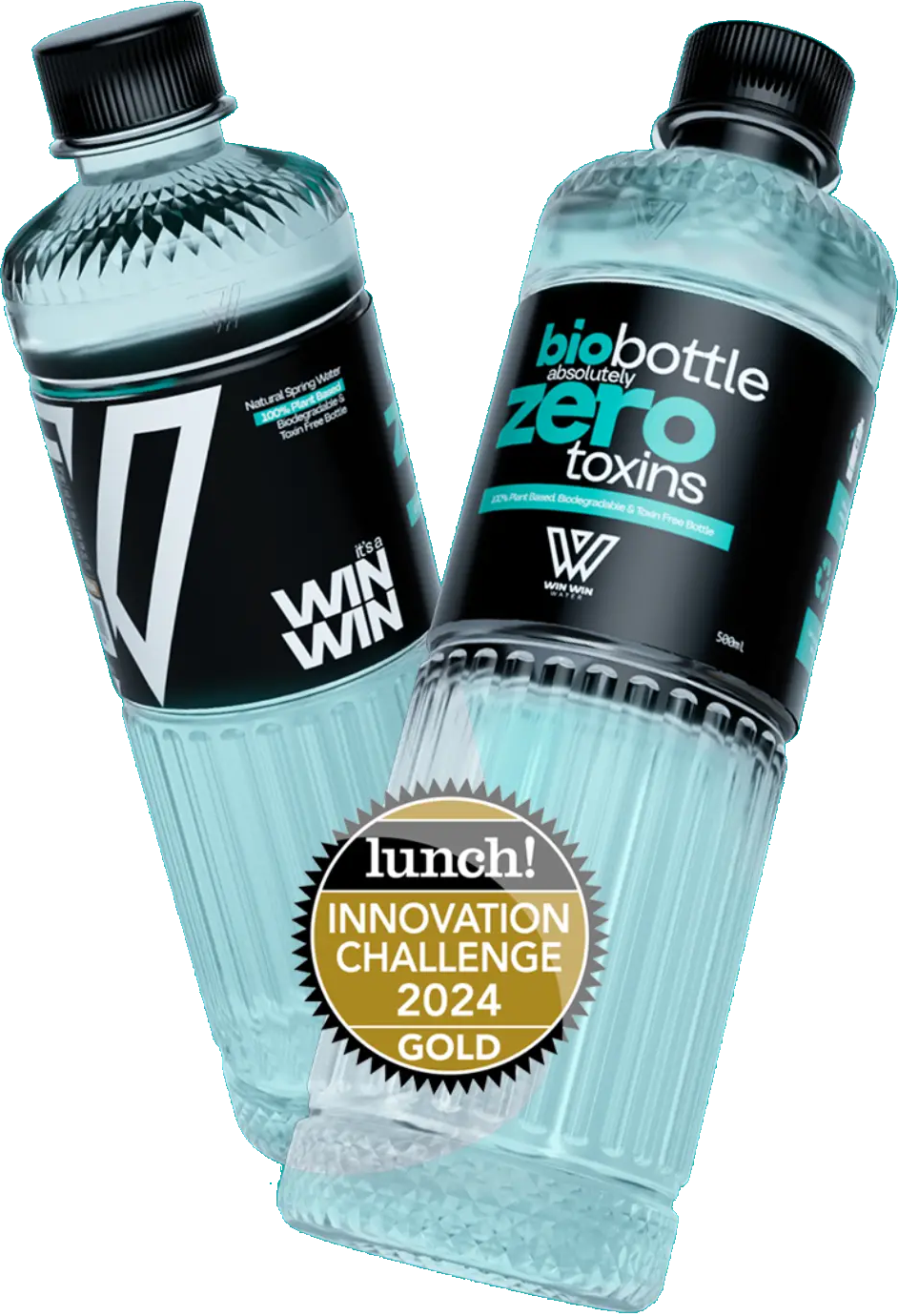
The Win Win Water bottle starts with plant-based material rather than the fossil-derived material used in conventional PET bottles. That is a change in the material itself, not simply a change of label.
But where a material comes from and what happens to it after use are different questions. Plant-based does not automatically mean home compostable, and it does not mean a bottle can be left in the environment.
Industrial composting, not the garden compost bin
Our bottle is designed for managed industrial composting conditions. These facilities control temperature, moisture and processing conditions in ways a home compost heap cannot.
It is not home compostable. Appropriate disposal infrastructure is required, and collection services must confirm that they accept the packaging before it is placed in a composting stream.
Disposal needs to be part of the conversation
For a venue or retailer, choosing packaging also means considering what happens after customers finish their drinks. Ask your waste contractor which materials they accept and how those materials are processed.
Do not assume a plant-based bottle belongs in the conventional PET recycling stream. Follow the bottle's disposal guidance and the requirements of your local collection service.
A more informed choice
Better material choices need clear information, not broad promises. Understanding the difference between plant-based content and industrial compostability helps buyers make a decision that fits their operation.
Our sustainability page brings together further information about the bottle and its disposal requirements.